
Ever met someone who could make a cactus look cuddly? Yeah, we’ve all been there.
If you’ve been searching for a metaphor for a mean person, you’re in luck because mean doesn’t have to be boring.
Why just say someone’s nasty when you can say they’re a walking thunderstorm, a bucket of cold water, or a thorn in every rose?
In this post, we’re breaking down 20 hilarious, sharp, and unforgettable metaphors for a mean person that will make your writing pop and maybe even make your friends laugh.
Let’s dive in before the next mean person shows up at your door!
20 Metaphors for a Mean Person Examples:
1. He is a walking thunderstorm.
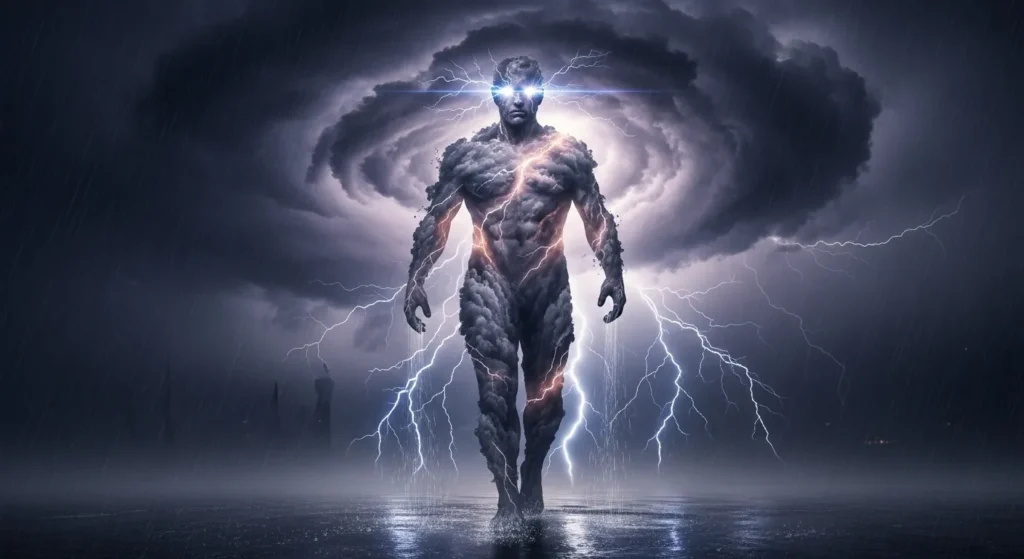
Meaning: He brings negativity wherever he goes.
Explanation: Just like a storm darkens the sky, he darkens the mood.
Examples:
- Every meeting changes when he walks in he’s a walking thunderstorm.
- I was excited about the party until that walking thunderstorm showed up.
2. She is a cactus in a garden.
Meaning: She is harsh in a soft environment.
Explanation: A cactus is prickly and uncomfortable to touch.
Examples:
- Everyone else was welcoming, but she was a cactus in a garden.
- At family dinners, she feels like a cactus in a garden.
3. He is a snake in the grass.
Meaning: He is secretly unkind or deceptive.
Explanation: Snakes symbolize hidden danger.
Examples:
- Don’t trust him — he’s a snake in the grass.
- She realized too late that he was a snake in the grass.
4. She is a bucket of cold water.
Meaning: She ruins excitement.
Explanation: Cold water shocks and kills enthusiasm.
Examples:
- Her comment was a bucket of cold water on my idea.
- Don’t be a bucket of cold water when someone shares good news.
5. He is a rusty nail.

Meaning: He causes pain and discomfort.
Explanation: A rusty nail is dangerous and unpleasant.
Examples:
- Talking to him feels like stepping on a rusty nail.
- His words were like a rusty nail in my heart.
6. She is a dark cloud.
Meaning: She spreads gloom.
Explanation: Dark clouds signal bad weather.
Examples:
- She hangs over the office like a dark cloud.
- His mood turned into a dark cloud over dinner.
7. He is a volcano waiting to erupt.
Meaning: He is easily angered.
Explanation: A volcano explodes unexpectedly.
Examples:
- Be careful he’s a volcano waiting to erupt.
- I tiptoe around him; he’s a volcano waiting to erupt.
8. She is ice without sunshine.
Meaning: She is cold and unfriendly.
Explanation: Ice symbolizes emotional coldness.
Examples:
- Her response was ice without sunshine.
- She greeted me with ice without sunshine.
9. He is a broken record of insults.

Meaning: He repeats negative comments.
Explanation: A broken record keeps playing the same sound.
Examples:
- He’s a broken record of insults every morning.
- I’m tired of his broken record of insults.
10. She is a thorn in every rose.
Meaning: She finds fault in everything good.
Explanation: A thorn spoils the beauty of a rose.
Examples:
- Why must you be the thorn in every rose?
- She turned good news into bad — the thorn in every rose.
11. He is acid rain.
Meaning: He damages everything he touches.
Explanation: Acid rain destroys plants and buildings.
Examples:
- His sarcasm is acid rain on confidence.
- He spreads acid rain in conversations.
12. She is a locked door.
Meaning: She is emotionally closed and unkind.
Explanation: A locked door blocks connection.
Examples:
- I tried talking to her, but she’s a locked door.
- She remained a locked door during the discussion.
13. He is sandpaper.
Meaning: He is rough and irritating.
Explanation: Sandpaper scratches surfaces.
Examples:
- His tone is sandpaper on my nerves.
- He’s pure sandpaper during arguments.
14. She is a shadow at noon.
Meaning: She brings darkness even in bright times.
Explanation: Noon is bright, yet she creates darkness.
Examples:
- She’s a shadow at noon in celebrations.
- Even on holidays, she’s a shadow at noon.
15. He is a wolf in sheep’s clothing.

Meaning: He pretends to be kind but isn’t.
Explanation: The wolf hides behind innocence.
Examples:
- Don’t fall for his smile; he’s a wolf in sheep’s clothing.
- She discovered he was a wolf in sheep’s clothing.
16. She is a storm without rain.
Meaning: She creates chaos without reason.
Explanation: A loud storm that brings no benefit.
Examples:
- She’s a storm without rain in meetings.
- All noise, no reason — a storm without rain.
17. He is a cracked mirror.
Meaning: He reflects negativity.
Explanation: A cracked mirror distorts images.
Examples:
- He’s a cracked mirror, showing only flaws.
- Her words made him feel like a cracked mirror.
18. She is bitter coffee without sugar.
Meaning: She is harsh and unkind.
Explanation: Bitter coffee is hard to enjoy.
Examples:
- Her attitude is bitter coffee without sugar.
- Every reply felt like bitter coffee without sugar.
19. He is a ticking time bomb.
Meaning: He is dangerously unpredictable.
Explanation: A time bomb explodes suddenly.
Examples:
- He’s a ticking time bomb during stress.
- The office feels tense with that ticking time bomb around.
20. She is frost in spring.

Meaning: She destroys warmth and kindness.
Explanation: Frost ruins blooming flowers.
Examples:
- Her words were frost in spring.
- Don’t let her frost in spring ruin your joy.
Practical Exercise
First: 10 Questions
- What does walking thunderstorm suggest about someone’s personality?
- Which metaphor describes hidden meanness?
- What does sandpaper symbolize?
- Which metaphor means someone ruins good moments?
- What does acid rain imply?
- Which metaphor suggests emotional coldness?
- What does ticking time bomb mean?
- Which metaphor represents fake kindness?
- What does thorn in every rose describe?
- Which metaphor suggests constant criticism?
Answers
- It suggests they bring negativity everywhere.
- Snake in the grass.
- Rough and irritating behavior.
- Bucket of cold water.
- Damaging and harmful behavior.
- Ice without sunshine.
- Someone dangerously unpredictable.
- Wolf in sheep’s clothing.
- Someone who ruins good things.
- Broken record of insults.
Conclusion
Using a metaphor for a mean person makes your writing more expressive and powerful.
Instead of simply labeling someone as mean, you create vivid imagery that readers instantly understand.
The next time someone acts harsh, you won’t be short of words you’ll have twenty creative ways to describe them!