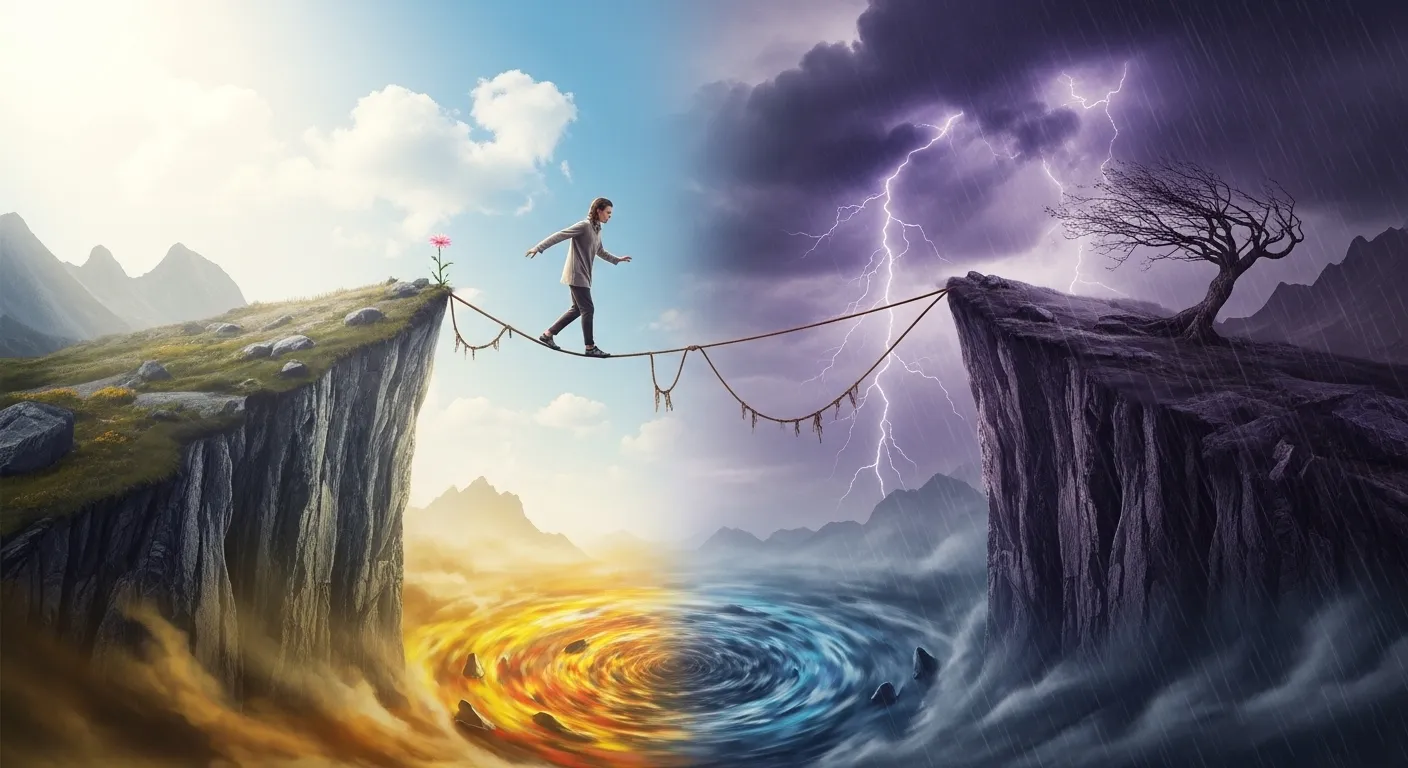
Ever tried explaining mood swings that feel like emotional fireworks one day and a power outage the next? Yeah… not exactly easy, right?
That’s where a good metaphor for bipolar disorder comes in handy.
Sometimes clinical terms just don’t cut it you need something real, visual, and a little dramatic because honestly, the experience can be.
Think rollercoasters, thunderstorms, or a radio that refuses to stay on one station.
In this post, we’re breaking down the best metaphor for bipolar disorder ideas so you can explain it clearly and maybe even crack a small smile while doing it.
20 Metaphors for Bipolar Disorder
1. A Rollercoaster Without a Seatbelt

Metaphor: Living with bipolar disorder feels like riding a rollercoaster without a seatbelt.
Meaning: Extreme emotional highs and lows that feel uncontrollable.
Explanation: The ride is intense, fast, and unpredictable and there’s no easy way to stop it.
Examples:
- My moods shift so quickly, it’s like a rollercoaster without a seatbelt.
- During manic episodes, everything moves too fast like I’m stuck on that ride.
2. A Storm That Comes Without Warning
Metaphor: Bipolar disorder is a storm that rolls in without warning.
Meaning: Sudden mood changes that disrupt life.
Explanation: Just like weather, emotions can shift dramatically and unexpectedly.
Examples:
- Yesterday I was fine, and today it feels like a storm hit.
- The depressive phase arrives like thunder in a clear sky.
3. Two Opposite Seasons in One Day
Metaphor: It’s like experiencing summer and winter in the same day.
Meaning: Rapid contrast between mania and depression.
Explanation: Emotional warmth and energy can quickly turn into cold emptiness.
Examples:
- Morning felt like sunshine; by evening, it was snowing inside me.
- My moods switch seasons without notice.
4. A Light Switch That Flicks On and Off
Metaphor: My emotions flip like a faulty light switch.
Meaning: Abrupt shifts in mood.
Explanation: The suddenness can feel mechanical and beyond control.
Examples:
- I was energetic and confident, then suddenly exhausted and hopeless.
- It’s like someone keeps flipping the switch.
5. A Wild Horse Running Free
Metaphor: Mania feels like riding a wild horse.
Meaning: Overwhelming energy and impulsivity.
Explanation: There’s power and speed but little control.
Examples:
- I start projects without thinking like I’m chasing the wind.
- My thoughts gallop faster than I can manage.
6. A Deep Ocean Tide
Metaphor: Depression pulls me under like a heavy tide.
Meaning: Overwhelming sadness and exhaustion.
Explanation: It feels like being dragged beneath emotional waters.
Examples:
- Some days it’s hard to breathe emotionally.
- The tide pulls me down before I notice.
7. A Fire That Burns Too Bright
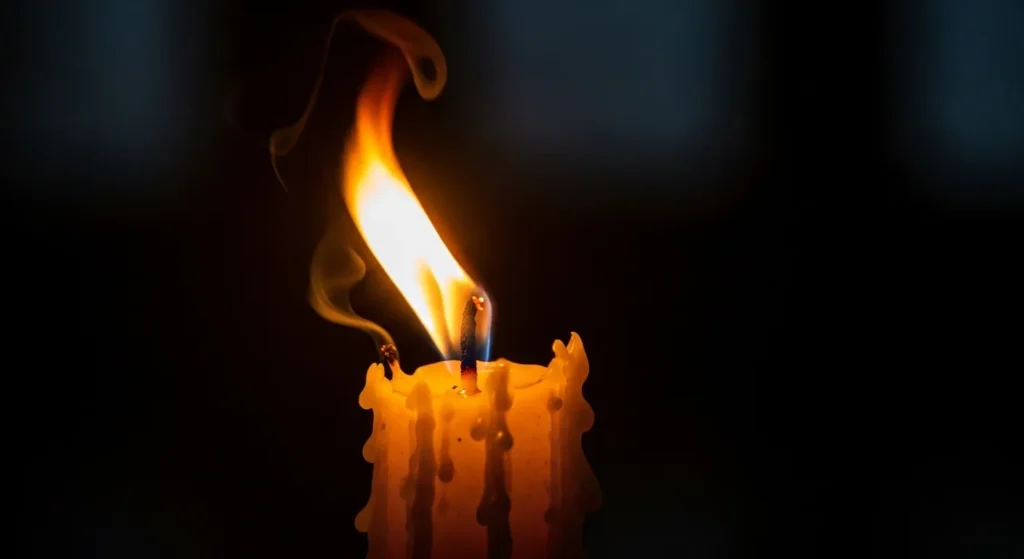
Metaphor: Mania is a fire that burns too bright.
Meaning: Intense excitement that can become destructive.
Explanation: Energy feels powerful but may cause harm if unchecked.
Examples:
- I barely sleep when the fire starts.
- It feels brilliant until it burns out.
8. A Broken Thermostat
Metaphor: It’s like my emotional thermostat is broken.
Meaning: Difficulty regulating mood intensity.
Explanation: Emotions feel either too high or too low.
Examples:
- I can’t seem to find a comfortable middle.
- Everything feels extreme.
9. A Tug-of-War Inside the Mind
Metaphor: It’s a constant tug-of-war in my head.
Meaning: Internal conflict between opposing emotional states.
Explanation: The mind feels divided between highs and lows.
Examples:
- Part of me feels unstoppable; part of me feels worthless.
- It’s exhausting being pulled in both directions.
10. A Flickering Flame
Metaphor: My stability feels like a flickering candle.
Meaning: Fragile emotional balance.
Explanation: Stability exists but feels delicate and uncertain.
Examples:
- One gust of stress and everything changes.
- Some days the flame is steady; others it shakes.
11. A Car With Faulty Brakes
Metaphor: Mania feels like a car speeding downhill with bad brakes.
Meaning: Loss of control during high-energy phases.
Explanation: The rush is powerful but dangerous.
Examples:
- I make decisions too quickly.
- I can’t slow myself down.
12. A Heavy Blanket That Won’t Lift
Metaphor: “Depression is a heavy blanket I can’t throw off.”
Meaning: Persistent sadness and fatigue.
Explanation: Everything feels weighed down.
Examples:
- Even getting out of bed feels impossible.
- The blanket presses harder each morning.
13. A See-Saw Stuck in Motion
Metaphor: My life feels like a see-saw that won’t balance.
Meaning: Constant emotional instability.
Explanation: There’s no steady middle ground.
Examples:
- One week I’m unstoppable, the next I’m stuck.
- Balance feels out of reach.
14. A Lightning Bolt of Energy
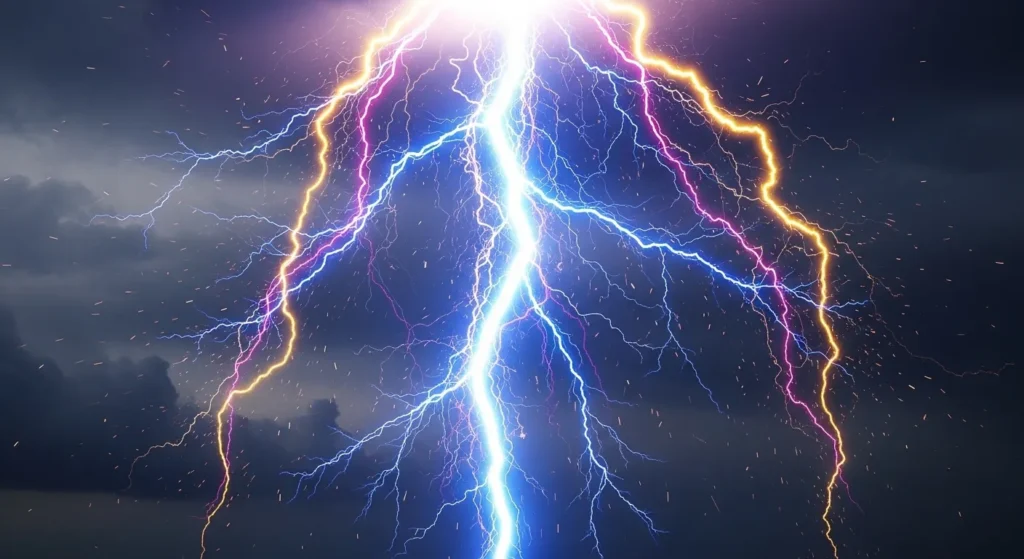
Metaphor: Mania strikes like lightning.
Meaning: Sudden bursts of intense energy.
Explanation: Fast, bright, and powerful but brief.
Examples:
- Ideas flood in all at once.
- Sleep disappears overnight.
15. A Dark Tunnel Without End
Metaphor: Depression feels like walking through a tunnel with no exit.
Meaning: Hopelessness.
Explanation: It’s hard to see light or progress.
Examples:
- I can’t imagine feeling better.
- The darkness feels endless.
16. A Radio Changing Stations
Metaphor: My moods switch like someone spinning a radio dial.
Meaning: Rapid mood changes.
Explanation: Emotional frequency changes unexpectedly.
Examples:
- Happy one minute, irritable the next.
- it’s hard to stay tuned.”
17. A Volcano Waiting to Erupt
Metaphor: Mania builds like a volcano.
Meaning: Rising intensity before an episode.
Explanation: Pressure builds until it explodes.
Examples:
- I feel the pressure days before.
- Then everything erupts at once.
18. A Pendulum Swinging Too Far
Metaphor: My emotions swing like a pendulum.
Meaning: Dramatic shifts between extremes.
Explanation: Movement from one extreme to another.
Examples:
- From confident to crushed in days.
- The swing feels relentless.
19. A Power Surge
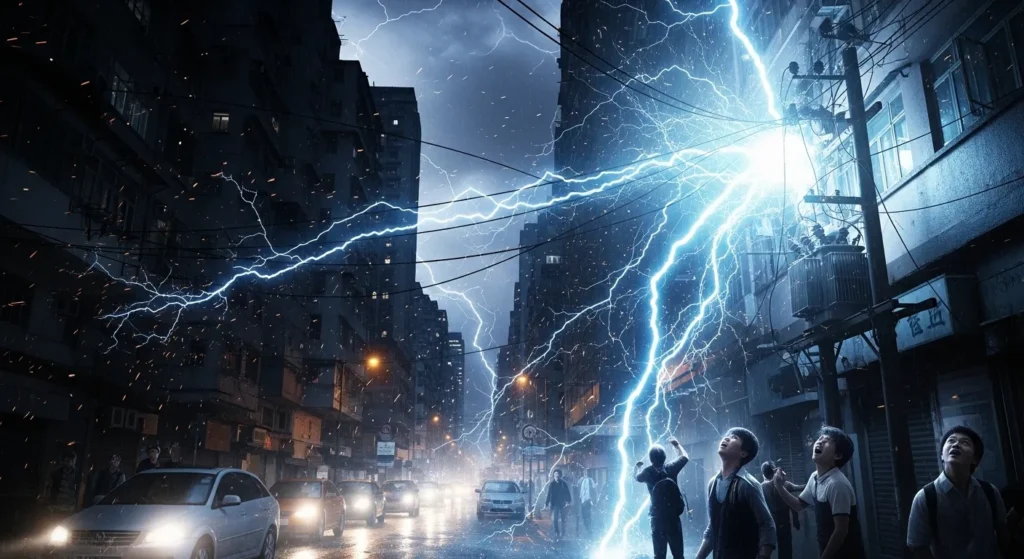
Metaphor: Mania feels like a power surge.
Meaning: Sudden spike of energy.
Explanation: Too much energy flowing at once.
Examples:
- I talk faster than my thoughts.
- I don’t feel tired at all.
20. A Cracked Mirror
Metaphor: It’s like looking into a cracked mirror.
Meaning: Distorted self-perception.
Explanation: Self-image changes drastically between episodes.
Examples:
- “Sometimes I feel invincible; sometimes broken.”
- “I don’t always recognize myself.”
Practical Exercise
First: 10 Reflection Questions
- Which metaphor feels closest to your experience?
- When do your emotional storms usually begin?
- What triggers your highest energy moments?
- How does your body feel during mania?
- What thoughts repeat during depression?
- Do you notice early warning signs?
- What helps stabilize your mood?
- How do loved ones describe your mood shifts?
- What coping tools work best for you?
- What would your personal metaphor be?
Now: Sample Answers
- The rollercoaster metaphor fits best.
- Stress often brings the storm.
- Creative projects trigger high energy.
- Restless and wired.
- Thoughts of hopelessness.
- Sleep changes are early signs.
- Routine and therapy.
- They say I seem unpredictable.
- Medication and journaling.
- Mine would be a swinging bridge.
Conclusion
Finding the right metaphor for bipolar disorder isn’t just about creative writing it’s about understanding.
Metaphors help explain what clinical terms sometimes can’t. They create empathy.
They open conversations. And most importantly, they remind anyone living with bipolar disorder that their experience can be expressed, understood, and validated.
Robert Frost ek writer hain jo simple lafzon mein deep metaphors likhte hain, khaaskar life aur nature par. Wo metaphorh.com ke liye likhte hain.