
Ever been around noise so loud it feels like your ears are filing a complaint? Yeah, we’ve all been there.
That’s exactly why you need a metaphor for loud because very loud just doesn’t cut it anymore.
I mean, why say loud when you can say like a lion throwing a tantrum in a thunderstorm? Sounds way more fun, right?
In this post, I’ll help you turn boring noise into something unforgettable using the perfect metaphor for loud.
Trust me, your writing is about to get a whole lot noisier in a good way.
20 Metaphors for Loud
1. His voice was a thunderclap.
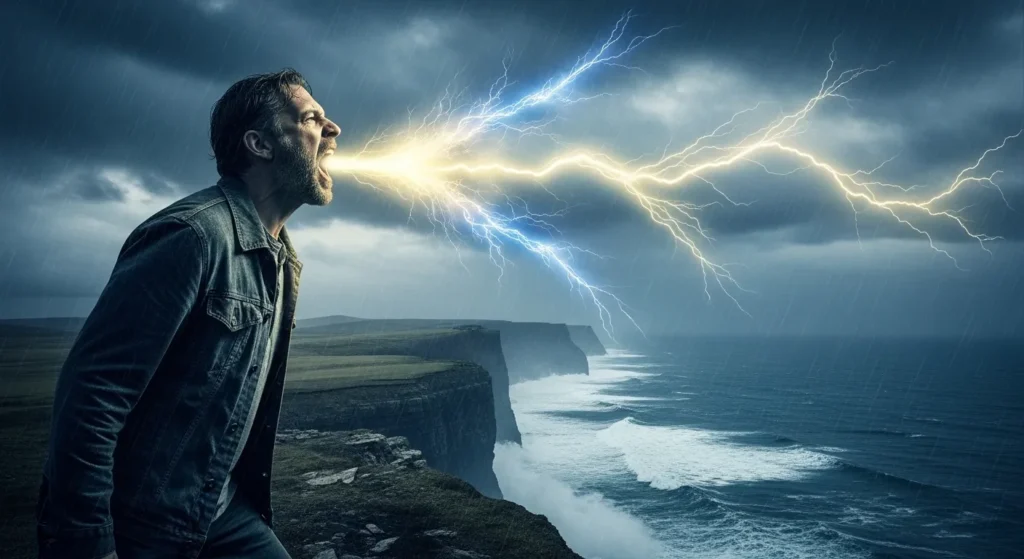
Meaning: Extremely loud and sudden.
Explanation: Like thunder, the sound is powerful and impossible to ignore.
Examples:
- His voice was a thunderclap, silencing the entire room.
- The teacher’s warning hit like a thunderclap.
2. The music was a roaring lion.
Meaning: Loud and fierce.
Explanation: A lion’s roar symbolizes intensity and dominance.
Examples:
- The concert music was a roaring lion in my ears.
- The speakers turned the song into a roaring lion.
3. Her laughter was fireworks exploding.
Meaning: Bright, loud, and attention-grabbing.
Explanation: Fireworks are noisy and impossible to ignore.
Examples:
- Her laughter was fireworks exploding across the hall.
- Every joke triggered fireworks in her voice.
4. The crowd was a crashing wave.
Meaning: Overwhelmingly loud.
Explanation: Waves crash with force and noise.
Examples:
- The stadium crowd was a crashing wave of cheers.
- Their applause hit like a crashing wave.
5. His shout was a siren.

Meaning: Sharp and piercingly loud.
Explanation: Sirens demand immediate attention.
Examples:
- His shout was a siren cutting through the chaos.
- Her voice rose like a siren in the night.
6. The engine was a growling beast.
Meaning: Deep and rumbling loudness.
Explanation: A beast’s growl is powerful and intimidating.
Examples:
- The car engine was a growling beast on the road.
- The machine woke up like a growling beast.
7. Their argument was a storm.
Meaning: Loud and chaotic.
Explanation: Storms are noisy and intense.
Examples:
- Their argument was a storm shaking the house.
- Voices clashed like a storm in the room.
8. The bell was a hammer.
Meaning: Harsh and strikingly loud.
Explanation: A hammer hitting something creates a sharp sound.
Examples:
- The school bell was a hammer to my ears.
- The alarm rang like a hammer.
9. His words were gunshots.
Meaning: Sudden and loud.
Explanation: Gunshots are abrupt and shocking.
Examples:
- His words were gunshots in the silence.
- Each sentence hit like a gunshot.
10. The party was a jungle.

Meaning: Wild and loud.
Explanation: Jungles are full of chaotic sounds.
Examples:
- The party turned into a jungle of noise.
- Music and voices made it a jungle.
11. Her voice was a megaphone.
Meaning: Naturally loud and projecting.
Explanation: A megaphone amplifies sound.
Examples:
- Her voice was a megaphone across the hall.
- He didn’t need a mic—his voice was a megaphone.
12. The room was a drum.
Meaning: Echoing with loud noise.
Explanation: Drums amplify vibrations.
Examples:
- The room was a drum of shouting voices.
- Every step made the hallway a drum.
13. His laugh was a cannon.
Meaning: Explosively loud.
Explanation: Cannons create booming sounds.
Examples:
- His laugh was a cannon in the quiet café.
- That joke set off a cannon of laughter.
14. The alarm was a screaming child.
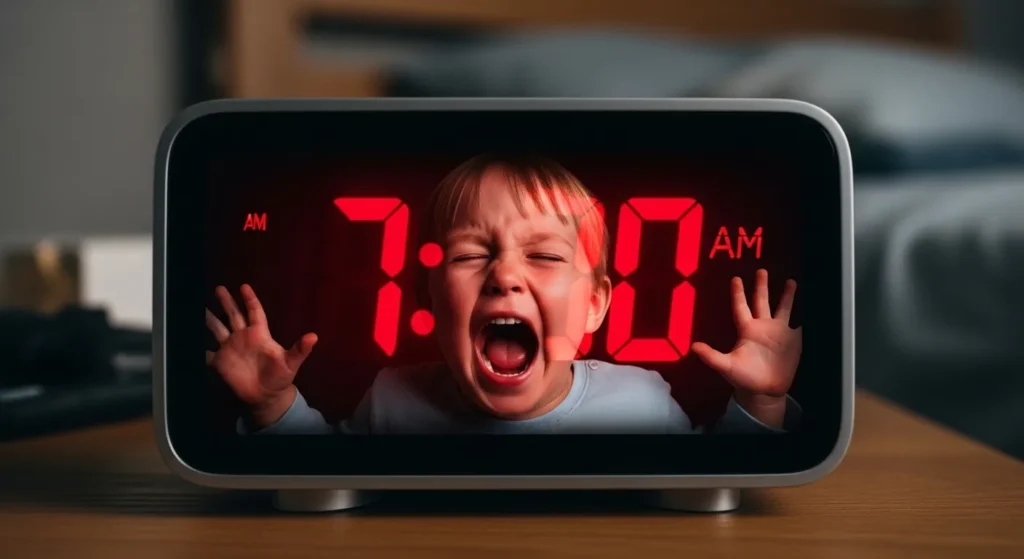
Meaning: Annoyingly loud and persistent.
Explanation: A screaming child is hard to ignore.
Examples:
- The alarm was a screaming child at dawn.
- My phone buzzed like a screaming child.
15. The crowd was a volcano.
Meaning: Loud and eruptive.
Explanation: Volcanoes explode with force.
Examples:
- The crowd was a volcano when the team scored.
- Cheers erupted like a volcano.
16. The speaker was a thunderstorm.
Meaning: Deep and booming loudness.
Explanation: Thunderstorms produce rolling noise.
Examples:
- The speaker sounded like a thunderstorm.
- Bass turned the room into a thunderstorm.
17. His voice was a chainsaw.
Meaning: Harsh and cutting loudness.
Explanation: Chainsaws are loud and rough.
Examples:
- His voice was a chainsaw in the quiet office.
- The noise ripped through like a chainsaw.
18. The noise was a battlefield.
Meaning: Chaotic and extremely loud.
Explanation: Battlefields are filled with explosive sounds.
Examples:
- The street was a battlefield of noise.
- The market felt like a battlefield.
19. The music was a tidal wave.

Meaning: Overpowering loudness.
Explanation: A tidal wave engulfs everything.
Examples:
- The music hit like a tidal wave.
- Sound flooded the room like a tidal wave.
20. His whisper was a shout.
Meaning: Even soft sounds feel loud.
Explanation: Emphasizes intensity despite quiet tone.
Examples:
- In the silence, his whisper was a shout.
- Her words felt like a shout in my ears.
Practical Exercise
Questions
- What metaphor would you use for a very loud crowd?
- Which metaphor fits a loud engine?
- How would you describe loud laughter?
- What metaphor suits a loud argument?
- How do you describe a piercing loud sound?
- What metaphor can describe loud music?
- Which metaphor fits sudden loud words?
- How would you describe an echoing room?
- What metaphor shows chaotic noise?
- How do you describe a loud alarm?
Answers
- A crashing wave
- A growling beast
- A cannon or fireworks exploding
- A storm
- A siren
- A tidal wave or thunderstorm
- Gunshots
- A drum
- A battlefield or jungle
- A screaming child
Conclusion
Using a metaphor for loud transforms plain descriptions into something vivid and memorable.
Instead of simply saying it was loud, you can make your reader feel the noise whether it crashes like waves or explodes like fireworks.
The more you practice, the more natural these metaphors will become in your writing. So next time something gets noisy, don’t just say it paint it.
Robert Frost ek writer hain jo simple lafzon mein deep metaphors likhte hain, khaaskar life aur nature par. Wo metaphorh.com ke liye likhte hain.