
Metaphor for Surprised captures the sudden shock or amazement we feel in unexpected moments.
Being surprised can feel like a balloon popping out of nowhere, a thunderclap breaking the calm, or a door opening to a world you never imagined.
It’s that instant jolt that stops you in your tracks and makes your heart skip a beat.
Like a flash of lightning, surprises are quick, bright, and unforgettable.
Using a Metaphor for Surprised helps writers turn sudden emotions into vivid, relatable images.
What Is a Metaphor for Surprised?

A metaphor for surprised compares the feeling of shock or sudden realization to a strong, familiar image—like lightning, cold water, or a stopped clock.
In simple words:
A metaphor for surprised turns a sudden emotion into a vivid picture.
20 Metaphors for Surprised (With Meaning & Examples)

1. “The news hit him like a lightning strike.”
Meaning: Sudden and intense surprise
Explanation: Lightning is fast and shocking.
Examples:
- The promotion hit him like a lightning strike.
- Her words struck like lightning.
2. “She was frozen in place.”
Meaning: Shocked into stillness
Explanation: Surprise can stop physical movement.
Examples:
- She was frozen in place by the announcement.
- He stood frozen, unable to respond.
3. “It felt like cold water to the face.”

Meaning: Abrupt awakening
Explanation: Cold water shocks the senses.
Examples:
- The truth felt like cold water to the face.
- His comment splashed cold reality on her.
4. “His jaw hit the floor.”
Meaning: Extreme surprise
Explanation: A common physical reaction.
Examples:
- When he saw the score, his jaw hit the floor.
- Her reveal made jaws drop.
5. “Time stopped for a second.”
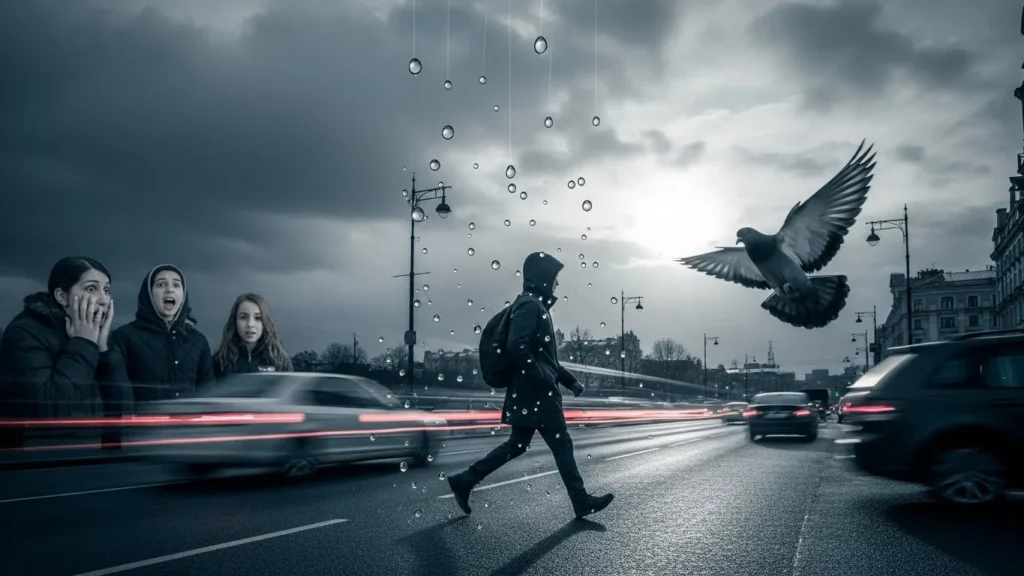
Meaning: Momentary disbelief
Explanation: Surprise disrupts perception.
Examples:
- Time stopped when she heard the news.
- For him, everything paused.
6. “The words knocked the air out of her.”
Meaning: Shock that steals breath
Explanation: Emotional impact feels physical.
Examples:
- His confession knocked the air out of her.
- The verdict did the same.
7. “His mind short-circuited.”
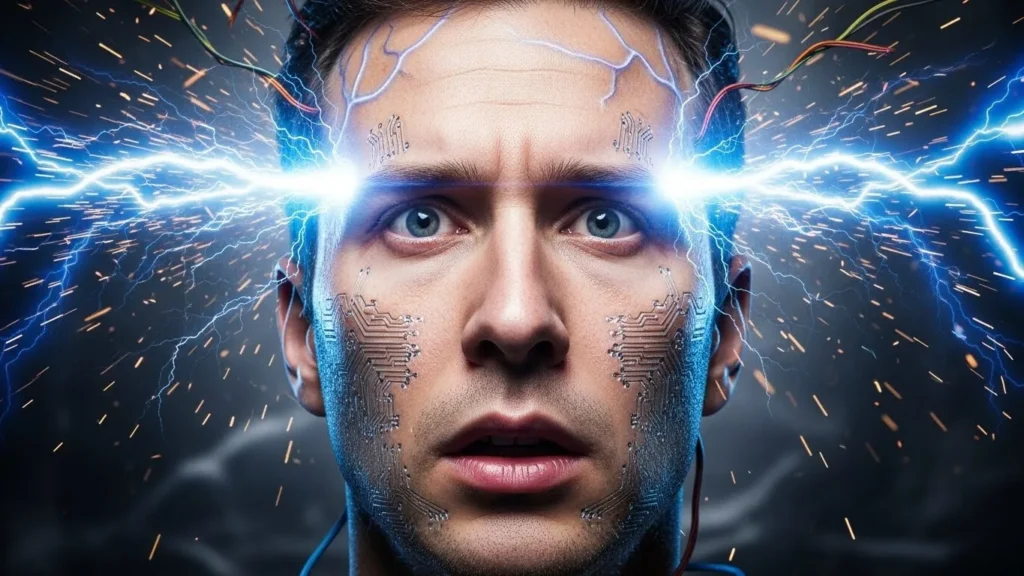
Meaning: Inability to process surprise
Explanation: Brain overload.
Examples:
- The sudden proposal made his mind short-circuit.
- She needed a moment to recover.
8. “The surprise exploded.”
Meaning: Powerful, uncontrollable shock
Explanation: Sudden emotional burst.
Examples:
- The announcement exploded in the room.
- Cheers followed instantly.
9. “Her eyes widened like open doors.”
Meaning: Visible surprise
Explanation: Eyes reveal emotion.
Examples:
- Her eyes widened like open doors.
- Everyone noticed instantly.
10. “The moment punched him.”
Meaning: Unexpected emotional blow
Explanation: Surprise feels forceful.
Examples:
- Reality punched him without warning.
- The news landed hard.
11. “It came out of nowhere.”

Meaning: Totally unexpected
Explanation: No warning signs.
Examples:
- The win came out of nowhere.
- So did the applause.
12. “Her thoughts scattered.”
Meaning: Shock caused confusion
Explanation: Surprise disrupts focus.
Examples:
- Her thoughts scattered after hearing his name.
- She struggled to reply.
13. “The surprise rang like a bell.”
Meaning: Clear, sharp realization
Explanation: Bells grab attention instantly.
Examples:
- The truth rang like a bell.
- He finally understood.
14. “His expression cracked open.”
Meaning: Shock revealed instantly
Explanation: Control breaks.
Examples:
- His calm expression cracked open.
- Surprise spilled out.
15. “The room gasped.”
Meaning: Shared surprise
Explanation: Collective reaction.
Examples:
- When the winner was announced, the room gasped.
- Silence followed.
16. “Her breath caught.”
Meaning: Sudden shock
Explanation: Body reacts before mind.
Examples:
- Her breath caught at the sight.
- Tears followed.
17. “The moment flipped the script.”

Meaning: Unexpected change
Explanation: Surprise alters direction.
Examples:
- That goal flipped the script.
- Nobody expected it.
18. “His face told the story.”
Meaning: Obvious surprise
Explanation: Expressions reveal emotions.
Examples:
- His face told the story immediately.
- Words weren’t needed.
19. “Reality crashed in.”
Meaning: Sudden realization
Explanation: No time to prepare.
Examples:
- Reality crashed in all at once.
- He wasn’t ready.
20. “The surprise shook her.”
Meaning: Deep emotional impact
Explanation: Surprise causes internal movement.
Examples:
- The proposal shook her.
- Happy tears followed.
Practical Exercise: Metaphor for Surprised
Questions (Pehle 10 Questions)
- What is a metaphor for surprised?
- Why are metaphors better than repeating “surprised”?
- Which metaphor shows physical shock?
- What metaphor suggests mental confusion?
- Identify a metaphor for shared surprise.
- Which image represents sudden realization?
- Can metaphors for surprised improve storytelling?
- Which metaphor fits happy surprise best?
- How does surprise affect the body?
- Write one metaphor for being surprised.
Answers (Phir Unke Answers)
- A figurative comparison that shows sudden shock or disbelief.
- They create vivid imagery and emotional impact.
- “Cold water to the face.”
- “His mind short-circuited.”
- “The room gasped.”
- “Reality crashed in.”
- Yes, they make scenes more engaging.
- “Her breath caught.”
- It can freeze movement or stop breath.
- Surprise hit me like an unexpected wave.
Conclusion
Using a metaphor for surprised transforms simple reactions into unforgettable moments.
Instead of telling readers what happened, you allow them to experience the shock, the pause, and the disbelief.
Whether you’re writing a blog, story, essay, or speech, these metaphors add power, clarity, and emotion to your words.
Robert Frost ek writer hain jo simple lafzon mein deep metaphors likhte hain, khaaskar life aur nature par. Wo metaphorh.com ke liye likhte hain.