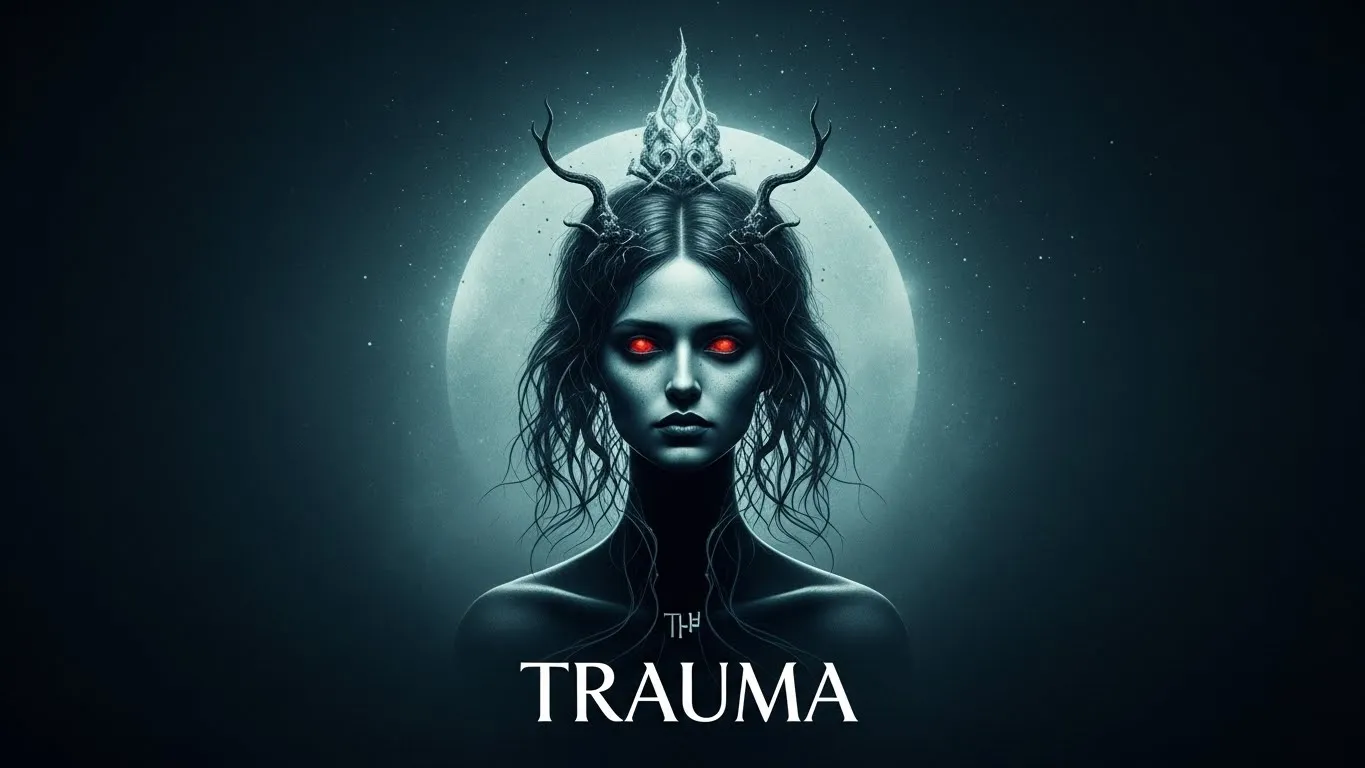
Talking about Metaphor for Trauma doesn’t have to feel like sitting in a silent therapy room with awkward eye contact.
Sometimes, trauma is less “dramatic movie flashback” and more like your brain accidentally opening 37 tabs you never asked for.
You’re fine… until one tiny thing crashes the whole system. Using humor and metaphors helps us explain that chaos without turning every conversation into a deep emotional TED Talk.
So if you’ve ever thought,
Why does my mind act like this?
don’t worry, you’re not broken, you’re just human. Let’s laugh a little and make sense of it together.
20 Powerful Metaphors for Trauma
1. Trauma Is a Wound That Never Fully Heals
Meaning: Trauma leaves a lasting emotional injury
Explanation: Like a scar, it may close, but sensitivity remains
Examples:
- Trauma is a wound that still aches when life presses on it.
- Her past felt like a wound reopening at random moments.
2. Trauma Is Carrying a Heavy Backpack
Meaning: Emotional weight that follows you everywhere
Explanation: You can move forward, but the load slows you down
Examples:
- He walks through life with trauma like a heavy backpack.
- Every decision felt harder with that emotional weight.
3. Trauma Is a Broken Alarm System
Meaning: Constant hyper-vigilance
Explanation: Your brain stays on “danger mode” even when safe
Examples:
- Her trauma made her jump at harmless sounds.
- His mind acted like a broken alarm that never shut off.
4. Trauma Is Frozen Time
Meaning: Being stuck in the past
Explanation: Your body reacts as if the event is still happening
Examples:
- Trauma froze that moment in her memory.
- Part of him never left that day.
5. Trauma Is a Shadow
Meaning: It follows you quietly
Explanation: Not always visible, but always present
Examples:
- Trauma followed her like a shadow.
- Even in joy, that shadow remained.
6. Trauma Is a Cracked Mirror
Meaning: Distorted self-image
Explanation: You see yourself in broken pieces
Examples:
- Trauma made him see himself through a cracked mirror.
- Her confidence shattered into fragments.
7. Trauma Is Drowning in Shallow Water
Meaning: Pain others underestimate
Explanation: Outsiders think you should “handle it”
Examples:
- Trauma felt like drowning where others could stand.
- Everyone said she was fine, but she wasn’t.
8. Trauma Is a Storm That Never Ends
Meaning: Constant emotional chaos
Explanation: No clear calm period
Examples:
- His trauma raged like an endless storm.
- She learned to survive inside the rain.
9. Trauma Is Living With a Fault Line
Meaning: Sudden emotional breakdowns
Explanation: One small trigger can cause an emotional quake
Examples:
- Trauma ran beneath her life like a fault line.
- One word caused everything to shake.
10. Trauma Is an Unfinished Sentence
Meaning: No closure
Explanation: The story stops before resolution
Examples:
- Trauma left his life mid-sentence.
- She’s still waiting for the ending.
11. Trauma Is Carrying Glass Inside
Meaning: Internal pain others can’t see
Explanation: Movement hurts even if nothing looks wrong
Examples:
- Trauma felt like glass cutting from the inside.
- Smiling hurt more than crying.
12. Trauma Is a Locked Room
Meaning: Repressed memories
Explanation: Opening it feels dangerous
Examples:
- Trauma lived in a locked room in her mind.
- He avoided that door for years.
13. Trauma Is a Burn That Keeps Flare-Ups
Meaning: Lingering emotional reactions
Explanation: Even healed burns can hurt again
Examples:
- Trauma flared up without warning.
- Certain words reignited the pain.
14. Trauma Is Noise You Can’t Turn Off
Meaning: Intrusive thoughts
Explanation: Mental exhaustion
Examples:
- Trauma played like static in his head.
- Silence felt impossible.
15. Trauma Is Walking on Thin Ice
Meaning: Fear of emotional collapse
Explanation: One wrong step feels dangerous
Examples:
- Trauma made every moment feel risky.
- She moved carefully through life.
16. Trauma Is a Scar on the Soul
Meaning: Deep emotional marking
Explanation: Visible only through behavior
Examples:
- Trauma left scars no one could see.
- His kindness grew from pain.
17. Trauma Is a Hijacked Nervous System
Meaning: Loss of emotional control
Explanation: Automatic survival responses
Examples:
- Trauma hijacked her reactions.
- His body reacted before his mind.
18. Trauma Is an Echo
Meaning: Repeated emotional responses
Explanation: Past pain repeats in the present
Examples:
- Trauma echoed long after the event.
- Old fear returned in new moments.
19. Trauma Is a Cage Without Bars
Meaning: Psychological imprisonment
Explanation: You feel trapped but can’t see why
Examples:
- Trauma kept her locked inside herself.
- Freedom felt unreachable.
20. Trauma Is a Heavy Fog
Meaning: Emotional numbness
Explanation: Life feels unclear and distant
Examples:
- Trauma wrapped his world in fog.
- Nothing felt sharp or real.
Practical Exercise: Understanding Your Own Trauma Metaphor
- What metaphor best describes how your trauma feels right now?
- Does your trauma feel more heavy or sharp?
- Is your trauma mostly loud (intrusive thoughts) or quiet (emotional numbness)?
- Does your trauma feel visible to others or hidden inside you?
- Is your trauma something you feel constantly, or does it appear only when triggered?
- Does your trauma feel connected to the past, the present, or both?
- Does your metaphor include a sense of danger or fear?
- Does your trauma make movement, change, or progress feel difficult?
- Has the way you describe your trauma changed over time?
- Can you imagine a new metaphor that represents healing or recovery?
Answers
- The best metaphor is the one that most accurately reflects your emotional experience.
- Heavy trauma suggests long-term burden; sharp trauma suggests sudden or intense pain.
- Loud trauma often shows as anxiety or flashbacks; quiet trauma shows as numbness or withdrawal.
- Hidden trauma often feels invalidated, while visible trauma may feel exposed.
- Constant trauma affects daily life; triggered trauma responds to reminders.
- Trauma tied to the past often means unresolved memories; present trauma affects current safety.
- If danger is present, your nervous system may still be in survival mode.
- Difficulty moving forward suggests fear of emotional collapse or change.
- Changing metaphors often indicate healing or new understanding.
- Imagining a healing metaphor shows readiness for growth and recovery.
Conclusion
Finding the right metaphor for trauma doesn’t erase pain but it gives it a voice.
When trauma becomes something you can describe, it becomes something you can work with, share, and eventually heal from.
Metaphors don’t weaken trauma; they translate it into understanding.