Simile, Metaphor, and Personification are powerful figures of speech that make writing more colorful and expressive.
A simile compares using like or as, a metaphor compares directly, and personification gives human qualities to non-human things.
For example, as brave as a lion is a simile, the classroom was a zoo is a metaphor, and the wind whispered is personification.
Using Simile, Metaphor, and Personification helps writers create vivid images, express emotions clearly, and keep readers engaged.
What Are Simile, Metaphor, and Personification? Quick Overview
- Simile → compares using like or as
- Metaphor → compares directly (no like/as)
- Personification → gives human traits to non-human things
Example:
- Simile: He was as brave as a lion
- Metaphor: He was a lion in battle
- Personification: Fear knocked on his door
20 Metaphors With Meaning, Explanation & Examples
1. Life is a crowded train.

Meaning: Life is busy and fast-moving
Explanation: A train suggests constant motion and pressure
Examples:
- Life is a crowded train; you either hold on or fall behind.
- For him, life felt like a crowded train at rush hour.
2. Her words were sharp knives.
Meaning: Hurtful speech
Explanation: Knives symbolize pain
Examples:
- Her words were sharp knives during the argument.
- One sentence cut deeper than expected.
3. Time is a thief.
Meaning: Time takes moments away
Explanation: Thieves steal quietly
Examples:
- Time is a thief that steals youth.
- He realized time had robbed him of chances.
4. His mind was a battlefield.
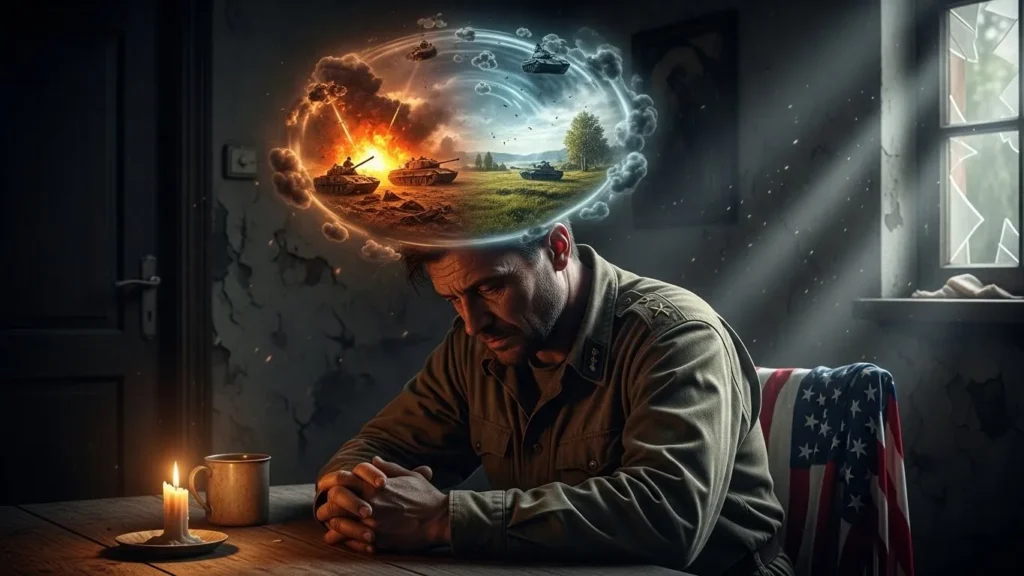
Meaning: Mental conflict
Explanation: Battles show struggle
Examples:
- Anxiety turned his mind into a battlefield.
- Every decision felt like war.
5. Hope is a fragile glass.
Meaning: Hope can break easily
Explanation: Glass looks strong but isn’t
Examples:
- Hope is fragile glass handle it gently.
- One failure shattered his hope.
6. Fear is a dark shadow.
Meaning: Fear follows constantly
Explanation: Shadows never leave light
Examples:
- Fear remained a dark shadow behind him.
- Even success couldn’t erase it.
7. Love is a warm blanket.

Meaning: Comfort and safety
Explanation: Blankets symbolize protection
Examples:
- Her love was a warm blanket on cold nights.
- He wrapped himself in love.
8. Anger is a wildfire.
Meaning: Anger spreads fast
Explanation: Fire destroys uncontrollably
Examples:
- His anger became a wildfire.
- One spark ruined everything.
9. Dreams are guiding stars.
Meaning: Dreams show direction
Explanation: Stars guide travelers
Examples:
- Dreams are guiding stars in darkness.
- She followed them faithfully.
10. Failure is a strict teacher.
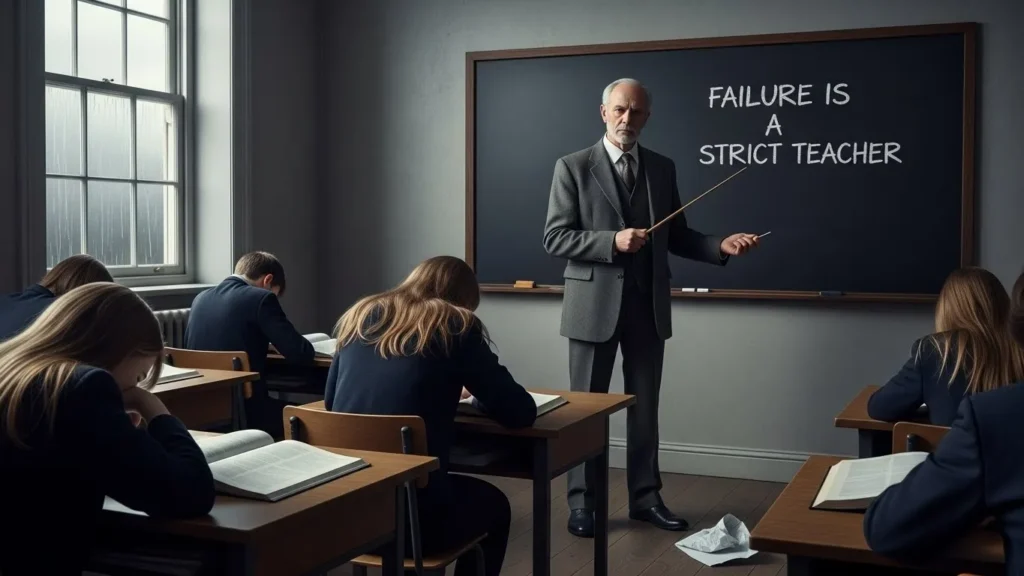
Meaning: Failure teaches lessons
Explanation: Teachers correct mistakes
Examples:
- Failure is a strict teacher but fair.
- He learned more from failing.
11. Silence was a heavy wall.
Meaning: Emotional distance
Explanation: Walls block connection
Examples:
- Silence built a heavy wall between them.
- No words could break it.
12. The city was a living monster.
Meaning: Overwhelming urban life
Explanation: Monsters consume energy
Examples:
- The city was a living monster at night.
- It swallowed his peace.
13. Knowledge is a key.
Meaning: Knowledge unlocks opportunities
Explanation: Keys open doors
Examples:
- Knowledge is the key to freedom.
- Education unlocked his future.
14. His heart was stone.

Meaning: Emotionless
Explanation: Stone lacks feeling
Examples:
- His heart was stone after betrayal.
- Nothing moved him.
15. The past is a mirror.
Meaning: Reflection on experiences
Explanation: Mirrors show truth
Examples:
- The past is a mirror—look carefully.
- He saw his mistakes clearly.
16. Stress is a ticking bomb.
Meaning: Stress explodes eventually
Explanation: Bombs build pressure
Examples:
- Stress became a ticking bomb.
- It finally exploded.
17. The classroom was a zoo.

Meaning: Noisy chaos
Explanation: Zoos are loud
Examples:
- The classroom turned into a zoo.
- Control was impossible.
18. Confidence is armor.
Meaning: Protection against doubt
Explanation: Armor defends warriors
Examples:
- Confidence became her armor.
- Criticism couldn’t hurt her.
19. The internet is a double-edged sword.
Meaning: Useful but dangerous
Explanation: Swords cut both ways
Examples:
- The internet is a double-edged sword.
- It helps and harms.
20. Truth is light.
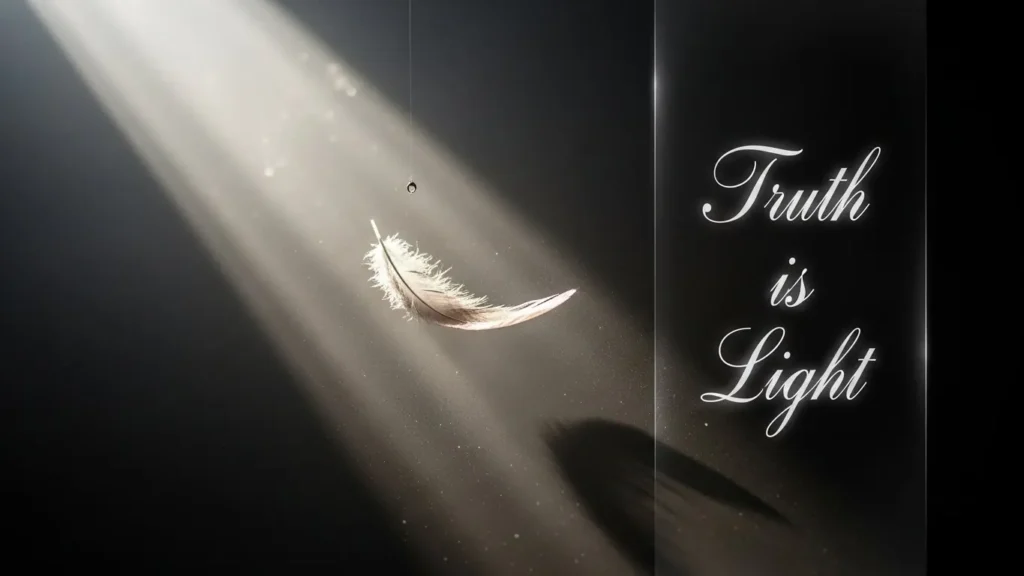
Meaning: Truth reveals clarity
Explanation: Light removes darkness
Examples:
- Truth is light in confusion.
- Lies vanished instantly.
21:metaphor and personification examples
Meaning: Metaphors and personification are figures of speech that give objects or ideas human-like qualities or compare them in imaginative ways.
Explanation: A metaphor directly compares two different things to highlight a similarity, while personification gives human traits to non-human objects or ideas. These techniques make writing more vivid and relatable.
Examples:
- Metaphor: Time is a thief that steals our moments.
- Personification: The wind whispered secrets through the trees.
22:Metaphor vs Personification
Meaning: A metaphor compares two things, while personification gives human traits to non-human things.
Explanation: Metaphors say something is something else; personification makes objects or ideas act human.
Examples:
- Metaphor: Time is a thief.
- Personification: The wind whispered.
23:Metaphor Simile Personification
Meaning: Literary tools to make writing vivid.
Explanation: Metaphors compare directly, similes use like or as, and personification gives human traits to objects.
Examples:
- Metaphor: Time is a thief.
- Simile: Her smile was like sunshine.
- Personification: The wind whispered.
Practical Exercise
Questions
- What word is used in a simile to compare?
- Which figure of speech compares directly?
- What is personification?
- Identify the metaphor: Time is money.
- Is The wind whispered personification?
- Convert this simile into a metaphor: Brave as a lion
- Which is stronger: simile or metaphor?
- Find the metaphor: Life is a journey
- Give one example of personification
- Why is figurative language important?
Answers
- Like As
- Metaphor
- Giving human qualities to non-human things
- Metaphor
- Yes
- He was a lion.
- Metaphor
- Journey
- The sun smiled
- It makes writing expressive and engaging
Conclusion
Understanding simile, metaphor, and personification isn’t about passing exams it’s about expressing thoughts clearly, creatively, and powerfully.
When you master these tools, your writing stops sounding flat and starts feeling alive.
Whether you’re blogging, storytelling, or even speaking casually, figurative language gives your words emotion and impact.
Practice them, notice them around you, and soon they’ll come naturally.
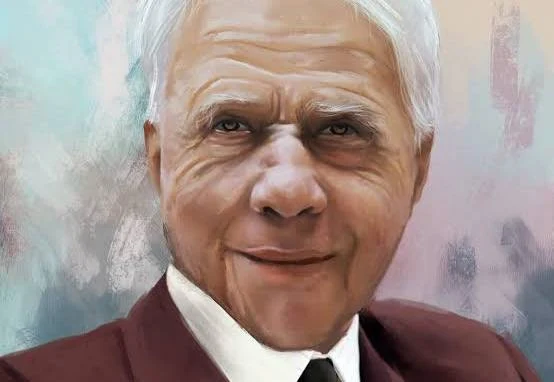
Robert Frost ek writer hain jo simple lafzon mein deep metaphors likhte hain, khaaskar life aur nature par. Wo metaphorh.com ke liye likhte hain.