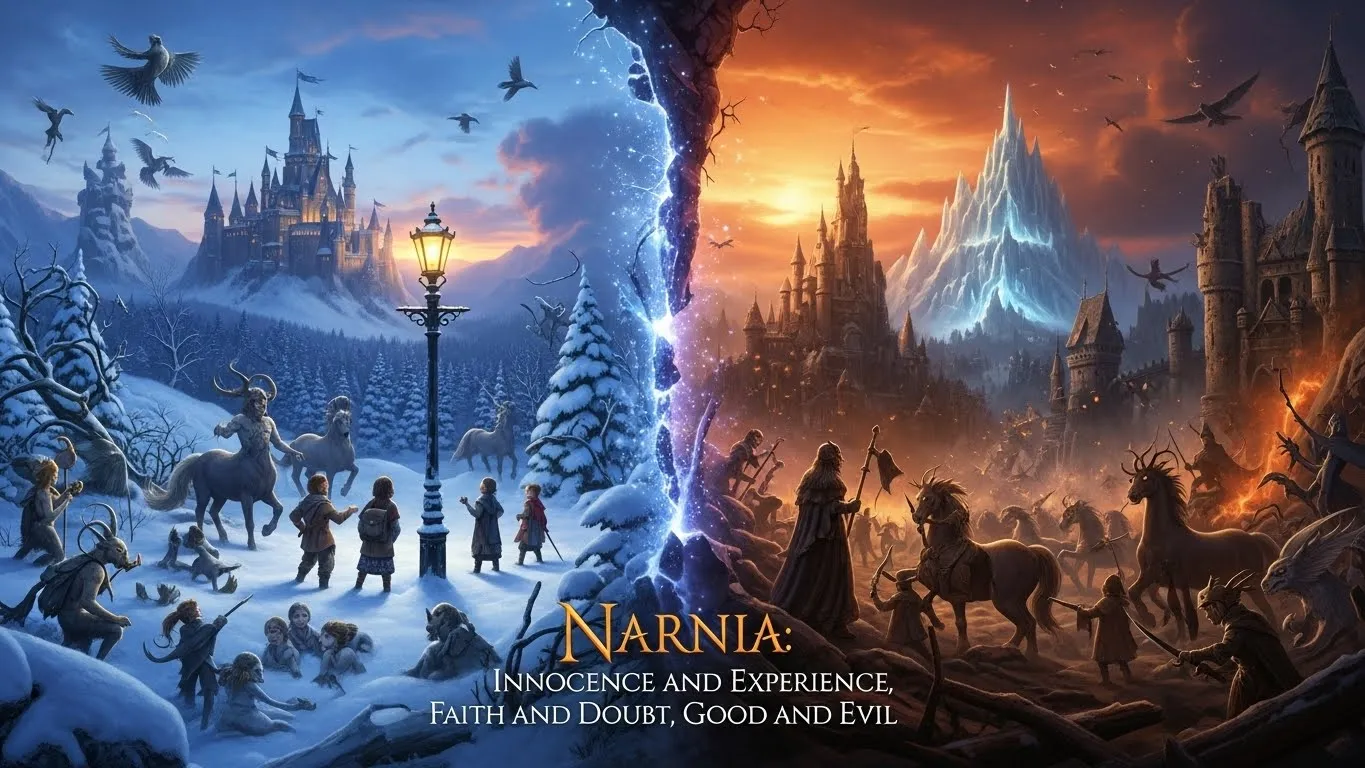
What Is Narnia a Metaphor For is a question that opens the door to deeper meaning behind C.S. Lewis’s famous fantasy world.
Narnia is often seen as a metaphor for spiritual growth, moral choice, and the journey from innocence to maturity.
It represents a place where good and evil are clearly defined, allowing characters to learn responsibility, courage, and sacrifice.
For many readers, Narnia also symbolizes escapism a safe space where hope triumphs over darkness.
Understanding What Is Narnia a Metaphor For helps readers appreciate the story not just as fantasy, but as a reflection of real human values and struggles.
What Is Narnia a Metaphor For? (Big Picture)
At its core, Narnia is a metaphor for spiritual awakening, moral truth, and the journey from innocence to maturity. It reflects Christian symbolism, but it also works universally—as a metaphor for inner growth, imagination, and confronting good vs evil.
Now let’s explore this idea through 20 clear metaphors.
20 Metaphors Explaining What Narnia Is a Metaphor For
1. Narnia is a mirror of the soul.
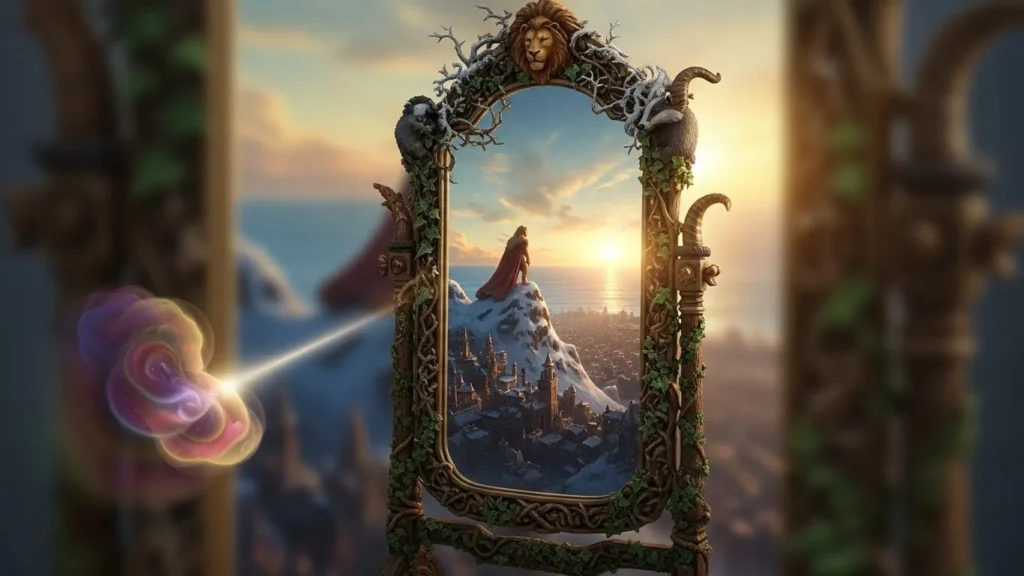
Meaning: Inner moral and spiritual reflection
Explanation: Characters face what already exists inside them.
Examples:
- Narnia acts as a mirror of the soul, revealing true character.
- In Narnia, bravery and fear surface naturally.
2. Narnia is childhood’s hidden doorway.
Meaning: Escape into imagination
Explanation: Represents the secret inner world of children.
Examples:
- Narnia is childhood’s hidden doorway to wonder.
- Like imagination, it opens when belief exists.
3. Narnia is a testing ground for virtue.
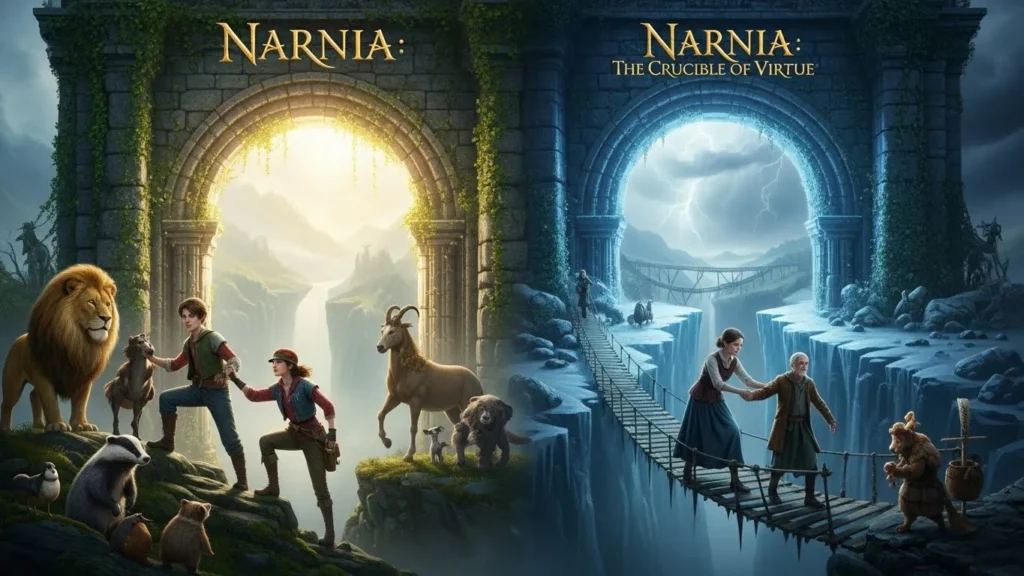
Meaning: Moral trial
Explanation: Every character is tested by temptation or sacrifice.
Examples:
- Narnia becomes a testing ground for virtue.
- Choices there define who survives.
4. Narnia is faith dressed as fantasy.
Meaning: Religious symbolism
Explanation: Christian themes are woven into story form.
Examples:
- Aslan turns faith into fantasy.
- Belief becomes visible in Narnia.
5. Narnia is the battle between light and shadow.
Meaning: Good vs evil
Explanation: Clear moral opposition.
Examples:
- The White Witch embodies shadow.
- Aslan stands for light.
6. Narnia is innocence under siege.
Meaning: Loss of purity
Explanation: Evil threatens childlike goodness.
Examples:
- Innocence struggles to survive in Narnia.
- War forces maturity.
7. Narnia is a lesson wrapped in wonder.
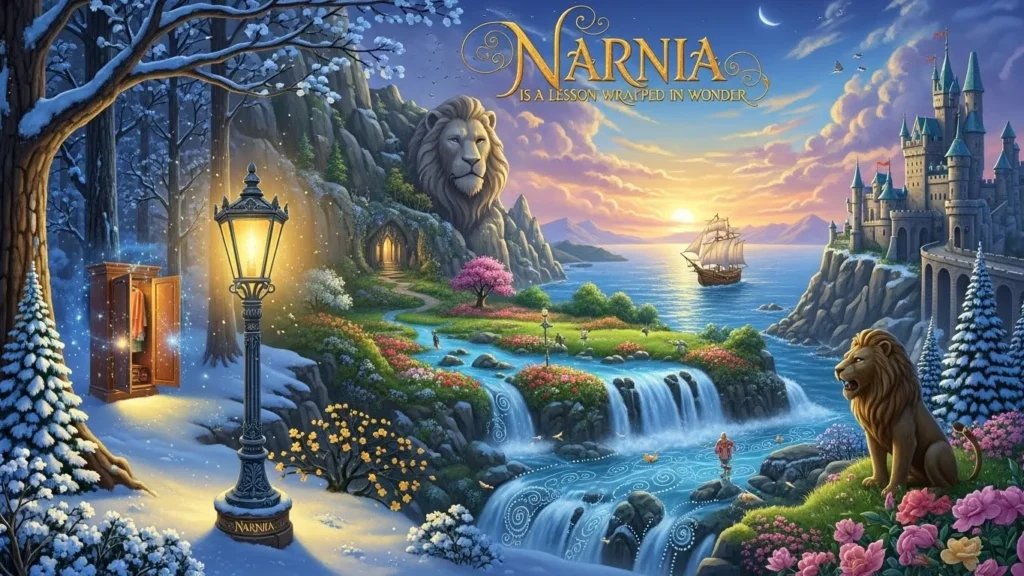
Meaning: Moral teaching
Explanation: Stories teach without preaching.
Examples:
- Every adventure hides a lesson.
- Wonder keeps the lesson alive.
8. Narnia is belief made visible.
Meaning: Faith becomes reality
Explanation: Belief creates access.
Examples:
- Only believers enter Narnia.
- Doubt locks the wardrobe.
9. Narnia is a map of spiritual growth.
Meaning: Personal development
Explanation: Characters evolve morally.
Examples:
- Edmund’s arc reflects redemption.
- Growth requires suffering.
10. Narnia is the cost of betrayal.
Meaning: Consequences of wrong choices
Explanation: Sin has weight.
Examples:
- Edmund’s betrayal nearly destroys Narnia.
- Redemption demands sacrifice.
11. Narnia is sacrifice given a face.
Meaning: Redemption
Explanation: Aslan’s death mirrors salvation.
Examples:
- Aslan dies so others live.
- Love replaces punishment.
12. Narnia is freedom after obedience.
Meaning: Moral discipline
Explanation: True freedom follows truth.
Examples:
- Obedience restores balance.
- Chaos fades when rules are honored.
13. Narnia is the loss of disbelief.
Meaning: Relearning wonder
Explanation: Adults forget magic; children remember.
Examples:
- Adults struggle to return to Narnia.
- Belief fades with age.
14. Narnia is truth in story form.
Meaning: Abstract truth simplified
Explanation: Stories make truth approachable.
Examples:
- Moral truths feel lighter in Narnia.
- Story removes resistance.
15. Narnia is war inside the heart.
Meaning: Internal conflict
Explanation: Characters fight themselves first.
Examples:
- Edmund battles greed.
- Lucy battles doubt.
16. Narnia is hope during darkness.
Meaning: Optimism
Explanation: Winter cannot last forever.
Examples:
- Spring returns to Narnia.
- Evil always breaks.
17. Narnia is obedience rewarded.
Meaning: Moral alignment
Explanation: Right action brings harmony.
Examples:
- Lucy’s faith saves lives.
- Truth restores order.
18. Narnia is the price of growing up.
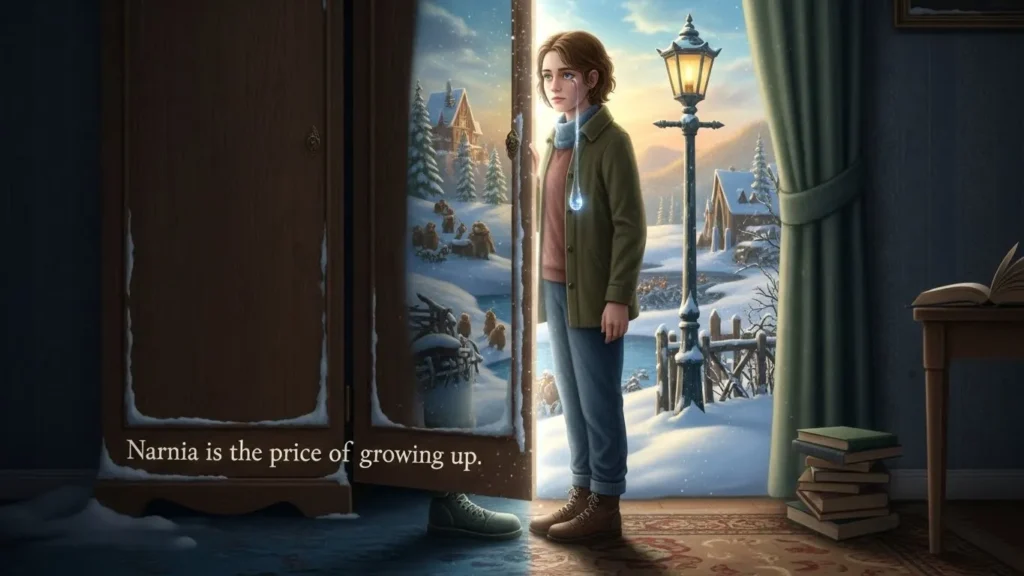
Meaning: Loss of innocence
Explanation: Maturity brings separation.
Examples:
- Children outgrow Narnia.
- Wonder fades with age.
19. Narnia is redemption without shame.
Meaning: Forgiveness
Explanation: Past mistakes don’t define the future.
Examples:
- Edmund is forgiven fully.
- Love erases guilt.
20. Narnia is heaven explained to children.
Meaning: Spiritual promise
Explanation: Peace, justice, eternal good.
Examples:
- Aslan’s country represents eternity.
- Death becomes a doorway.
Practical Exercise
10 Questions (Pehle Questions)
- What is Narnia primarily a metaphor for?
- Why is Aslan important symbolically?
- What does the wardrobe represent?
- How does Edmund reflect human weakness?
- Why can’t adults return easily to Narnia?
- What does winter symbolize in Narnia?
- Is Narnia only a Christian metaphor?
- How does Narnia show moral growth?
- What does sacrifice mean in the story?
- Why is Narnia still relevant today?
10 Answers
- Narnia symbolizes spiritual and moral awakening.
- Aslan represents sacrifice, truth, and redemption.
- The wardrobe symbolizes belief and imagination.
- Edmund reflects temptation and redemption.
- Adults lose belief and wonder.
- Winter symbolizes evil and despair.
- No, it also represents universal moral themes.
- Characters mature through choices and consequences.
- Sacrifice restores balance and forgiveness.
- Because its themes are timeless.
Conclusion
So, what is Narnia a metaphor for?
It’s a metaphor for faith, growth, moral choice, redemption, and the fragile power of belief.
Narnia reminds us that wonder isn’t childish it’s essential. And sometimes, the most powerful truths don’t come as lectures, but as stories whispered through a wardrobe door.