You’ve probably heard someone say hakuna matata in a movie, on TikTok, or maybe even in a chat where everything suddenly feels too chill to be real.
At first, it sounds fancy or mysterious like some deep philosophy or a secret code.
A lot of people even pause and wonder, Wait… what does that even mean in English?
Here’s the simple truth: it’s not complicated at all it’s actually one of the most relaxed and positive phrases you’ll ever come across.
Quick Answer:
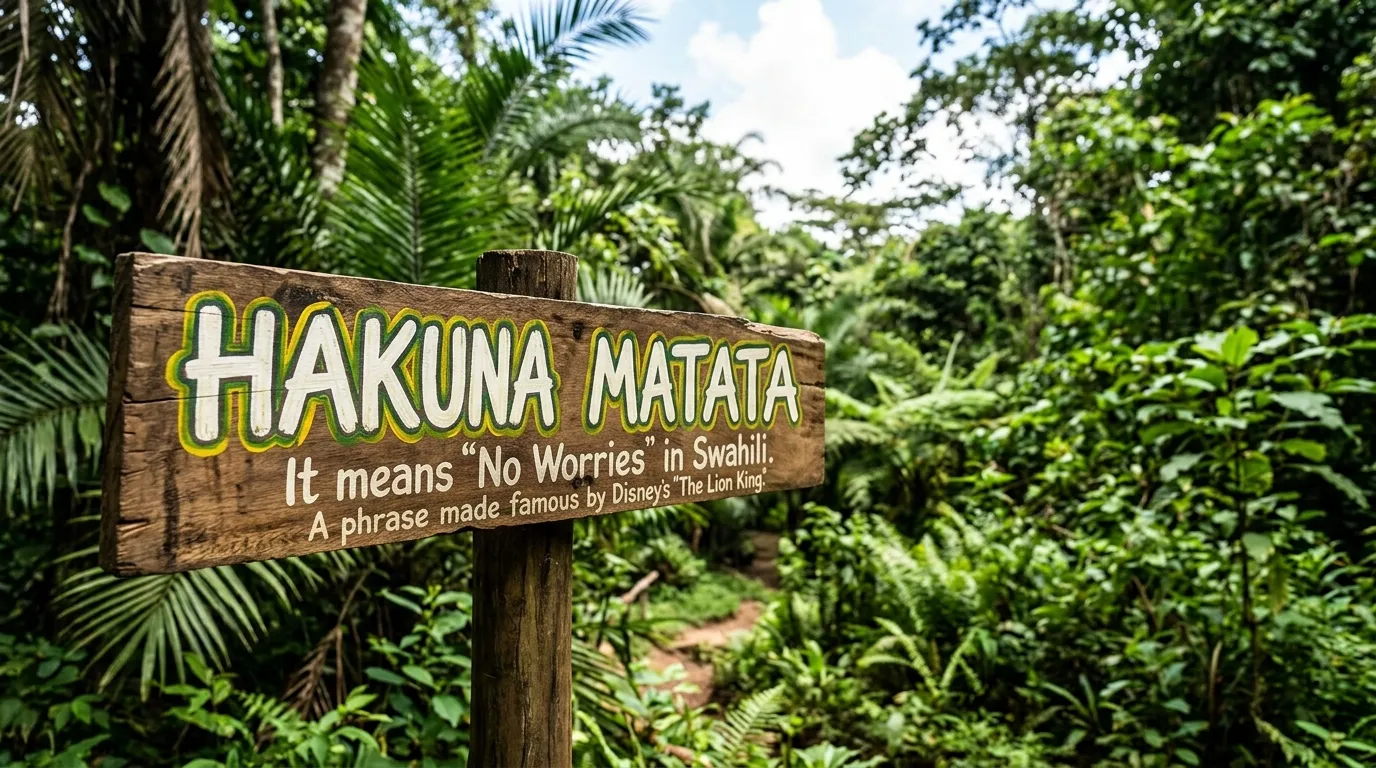
Hakuna matata means “no worries” or “no problems.” It’s a friendly, carefree, and positive way of saying “don’t stress” or “everything is okay.”
Now let’s break it down properly so you’ll know exactly how to use it like a pro in texting, memes, and everyday conversations.
🧠 What Does Hakuna Matata Mean in Text?
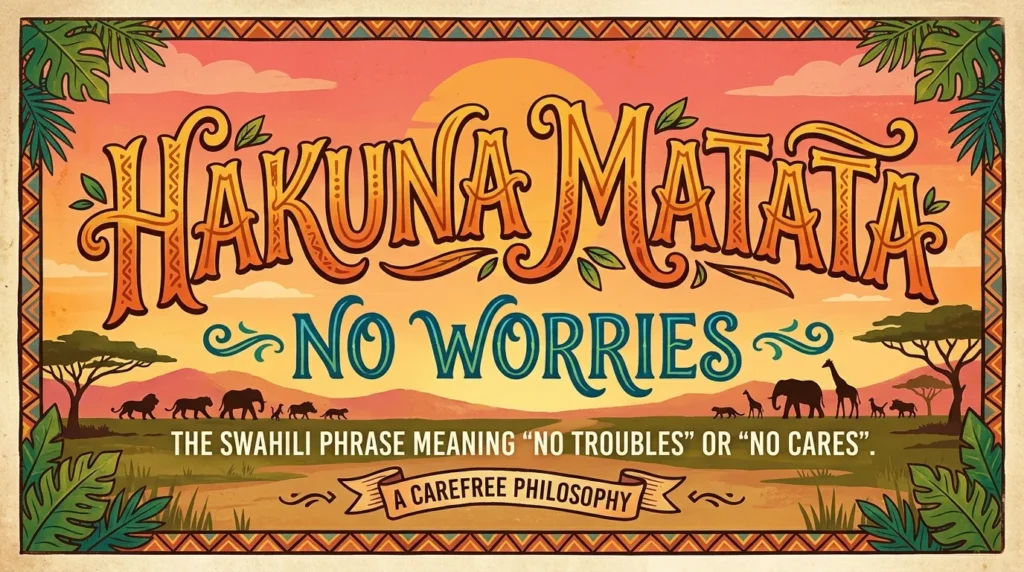
The phrase “hakuna matata” comes from the Swahili language, spoken in East Africa, especially in countries like Kenya and Tanzania.
- Hakuna = there is no
- Matata = trouble / problems
So when you put it together, it literally means “there are no problems.”
In texting and social media, people use it in a fun and relaxed way to say:
- “Don’t worry”
- “It’s all good”
- “Chill, relax”
Example sentence:
A: “Sorry I’m late 😭”
B: “Hakuna matata bro, all good 😄”
In short: Hakuna Matata = No worries = Everything is fine and stress-free.
📱 Where Is Hakuna Matata Commonly Used?
This phrase is super popular worldwide because of its fun vibe and because of The Lion King.
You’ll mostly see it used in:
- 📱 Text messages (friends & casual chats)
- 🎵 TikTok captions and memes
- 📸 Instagram captions
- 💬 WhatsApp conversations
- 🎮 Gaming chats (to keep things light after mistakes)
It is:
- ❌ Not formal
- ❌ Not professional
- ✅ Very casual and friendly
- ✅ Often humorous or playful
People usually use it when they want to sound relaxed, positive, or comforting.
💬 Examples of Hakuna Matata in Conversation
Here are some real-life style chat examples so you can see how it works naturally:
Example 1
A: I forgot to send the file 😓
B: hakuna matata, send it now 👍
Example 2
A: Sorry for replying late
B: haha hakuna matata 😄
Example 3
A: I think I messed up the game 😭
B: it’s fine, hakuna matata bro 🎮
Example 4
A: I didn’t understand the lesson
B: hakuna matata, I’ll help you later 📚
Example 5
A: Plans got cancelled 😩
B: hakuna matata, we’ll do it next time ✌️
Example 6
A: I broke your pen 😬
B: hakuna matata, I’ve another one 😆
Example 7
A: I’m really stressed today
B: hey, breathe… hakuna matata 🌿
These examples show how the phrase instantly makes conversations feel lighter and friendlier.
🕓 When to Use and When Not to Use Hakuna Matata
Like any slang, timing matters. “Hakuna matata” works best when the mood is casual and relaxed.
✅ When To Use:
- Talking with friends or close people
- Responding to apologies
- Light mistakes or small problems
- Funny or playful situations
- Encouraging someone to relax
❌ When Not To Use:
- Formal emails
- Job interviews or workplace reports
- Serious emergencies
- Professional or academic writing
- Sensitive or emotional crisis situations
📊 Context Comparison Table
| Context | Example Phrase | Why It Works |
|---|---|---|
| Friend Chat | “Hakuna matata 😄” | Casual & friendly vibe |
| Work Chat | “Take your time.” | Polite & professional |
| “Please review when convenient.” | Formal & respectful | |
| Stress Relief | “Hakuna matata 🌿” | Relaxed & comforting tone |
🔄 Similar Slang Words or Alternatives
If you like “hakuna matata,” here are similar phrases you might see in texting and social media:
| Slang | Meaning | When to Use |
|---|---|---|
| No worries | It’s okay | Everyday casual chats |
| Chill | Relax / calm down | Friendly conversations |
| It’s all good | Everything is fine | Apologies & mistakes |
| Don’t stress | Relax and stop worrying | Comforting someone |
| No problem | No issue at all | Polite replies |
| All good 👍 | Everything is okay | Quick casual responses |
These all carry the same relaxed, positive energy as “hakuna matata.”
❓ FAQs About Hakuna Matata
1. What does hakuna matata literally mean?
It literally means “there are no problems” in Swahili.
2. Is hakuna matata English slang?
No, it’s Swahili, but widely used in English conversations online.
3. Is it formal or informal?
It is completely informal and casual.
4. Who made hakuna matata popular?
It became globally famous through The Lion King.
5. Can I use it in exams or writing?
No, it is not suitable for academic or formal writing.
6. Is it rude or polite?
It is polite and positive, often used to comfort someone.
7. Can it be used sarcastically?
Yes, sometimes people use it jokingly or sarcastically online.
8. Is it used in real African countries?
Yes, it is a real Swahili phrase used in East Africa.
🧾 Conclusion
In simple words, hakuna matata meaning in English is “no worries” or “no problems.” It’s a light, positive, and carefree phrase that encourages you to relax and not stress about small issues in life.
Whether you see it in chats, memes, or social media posts, it always carries a happy and easygoing vibe.
From its Swahili roots to its global popularity through The Lion King, this phrase has become a symbol of staying calm and enjoying life without overthinking. However, remember it’s best used in casual conversations, not formal or professional settings.
So next time someone says “hakuna matata,” just smile and know they’re simply saying: everything is okay, don’t worry! 🌴😊
Robert Frost ek writer hain jo simple lafzon mein deep metaphors likhte hain, khaaskar life aur nature par. Wo metaphorh.com ke liye likhte hain.